Oliver Johnstone (Australia)
Division
Niseko Town Planning & Environment Division
Activity:
Translation · Interpretation · Tourism Information · Event Planning · School visits / Picture book reading
Languages:
English and Japanese
Niseko Town Planning & Environment Division
Activity:
Translation · Interpretation · Tourism Information · Event Planning · School visits / Picture book reading
Languages:
English and Japanese
Self-introduction
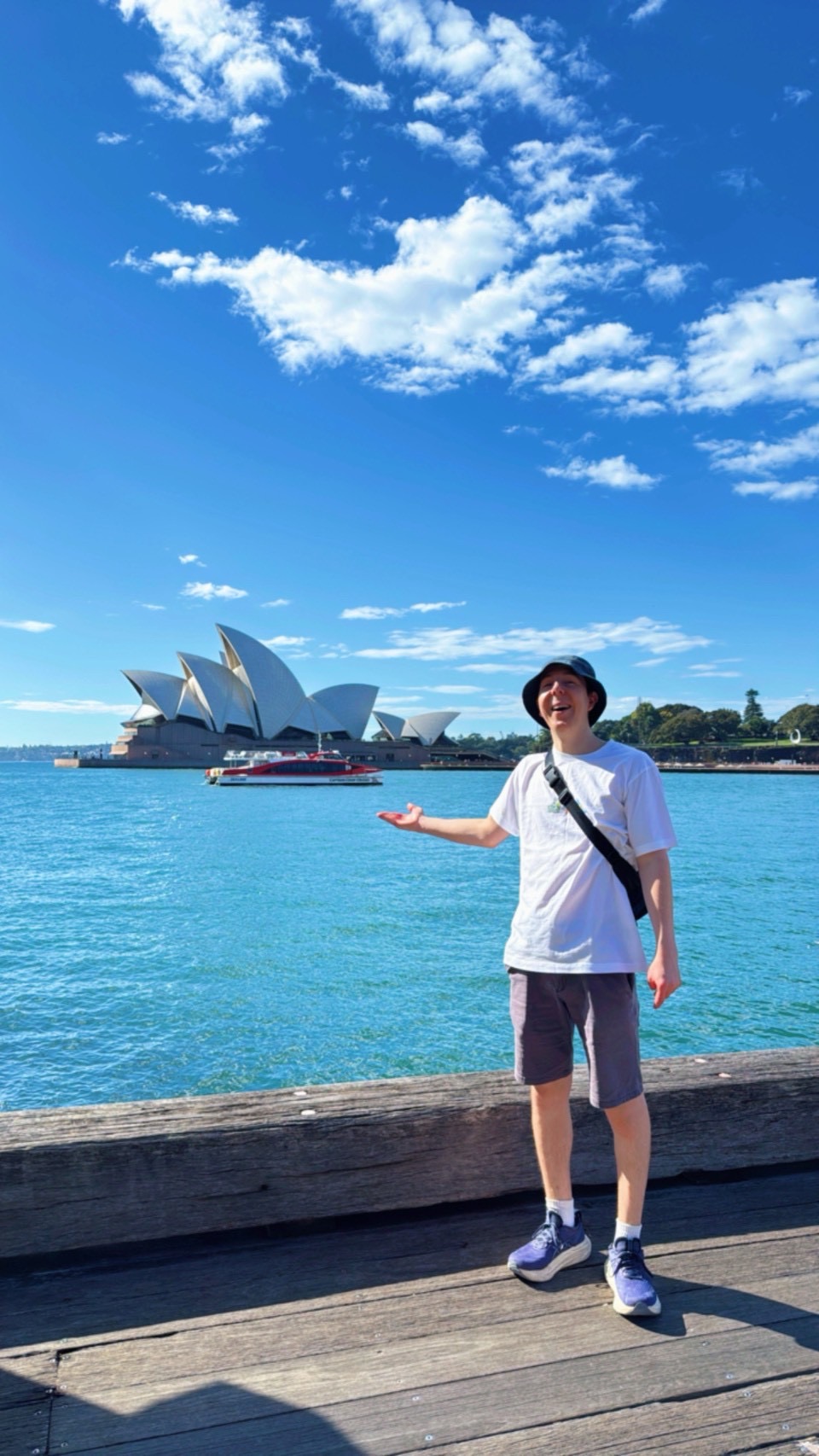
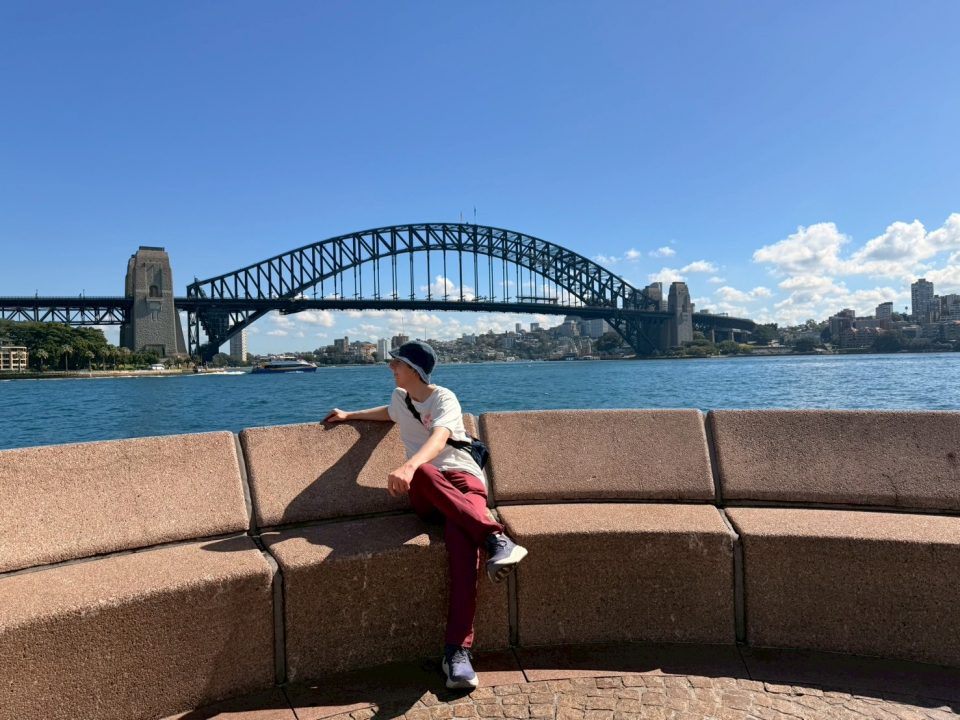
My hometown is Canberra, Australia's capital, but I have also lived in Sydney and Osaka. Furthermore, my travels and studies in places like Japan, North America, Europe, and South Africa have furnished me with an internationalist worldview.
At the heart of my worldview lies a deep interest in Japan. This interest was sparked by Nintendo's flagship video games, Pokémon and The Legend of Zelda. Also, when I was in my second year of junior high school, I had the opportunity to transfer schools and begin studying Japanese. My Japanese language studies led me to develop an interest in Japanese performing arts, politics, foreign affairs, and history, and my first experience of visiting Japan on a school trip in my first year of high school solidified my resolve to one day live and work in Japan. I am extremely fortunate that this wish has been fulfilled by working as an international exchange coordinator.
In the future, I aspire to work as a diplomat bridging Australia and Japan. Coming to Niseko is the perfect first step on that path. While here, I intend to introduce Australia's food, history, performing arts, and literature through events that focus on the nation's diversity. In this way, I will strive to act as a bridge between Japan, Australia, and the rest of the world.
At the heart of my worldview lies a deep interest in Japan. This interest was sparked by Nintendo's flagship video games, Pokémon and The Legend of Zelda. Also, when I was in my second year of junior high school, I had the opportunity to transfer schools and begin studying Japanese. My Japanese language studies led me to develop an interest in Japanese performing arts, politics, foreign affairs, and history, and my first experience of visiting Japan on a school trip in my first year of high school solidified my resolve to one day live and work in Japan. I am extremely fortunate that this wish has been fulfilled by working as an international exchange coordinator.
In the future, I aspire to work as a diplomat bridging Australia and Japan. Coming to Niseko is the perfect first step on that path. While here, I intend to introduce Australia's food, history, performing arts, and literature through events that focus on the nation's diversity. In this way, I will strive to act as a bridge between Japan, Australia, and the rest of the world.
Where I'm From:
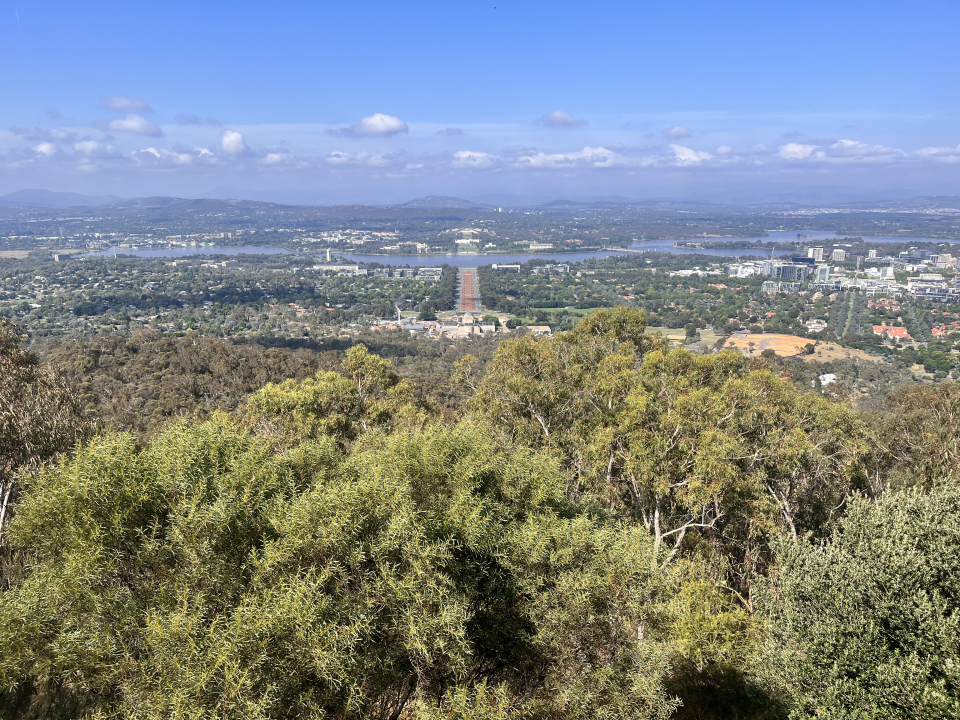
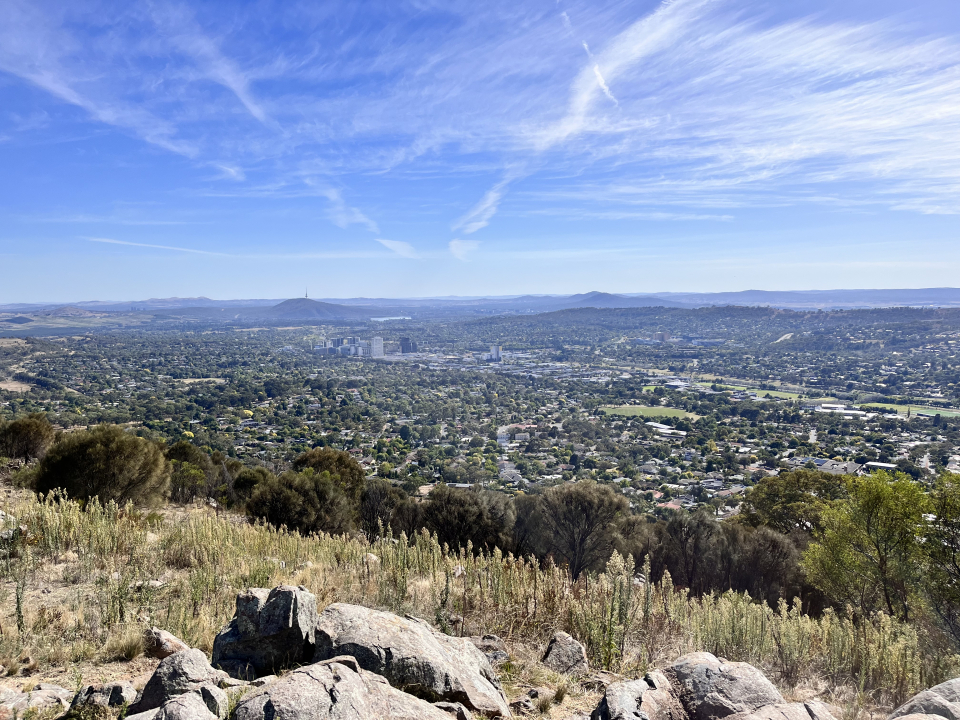
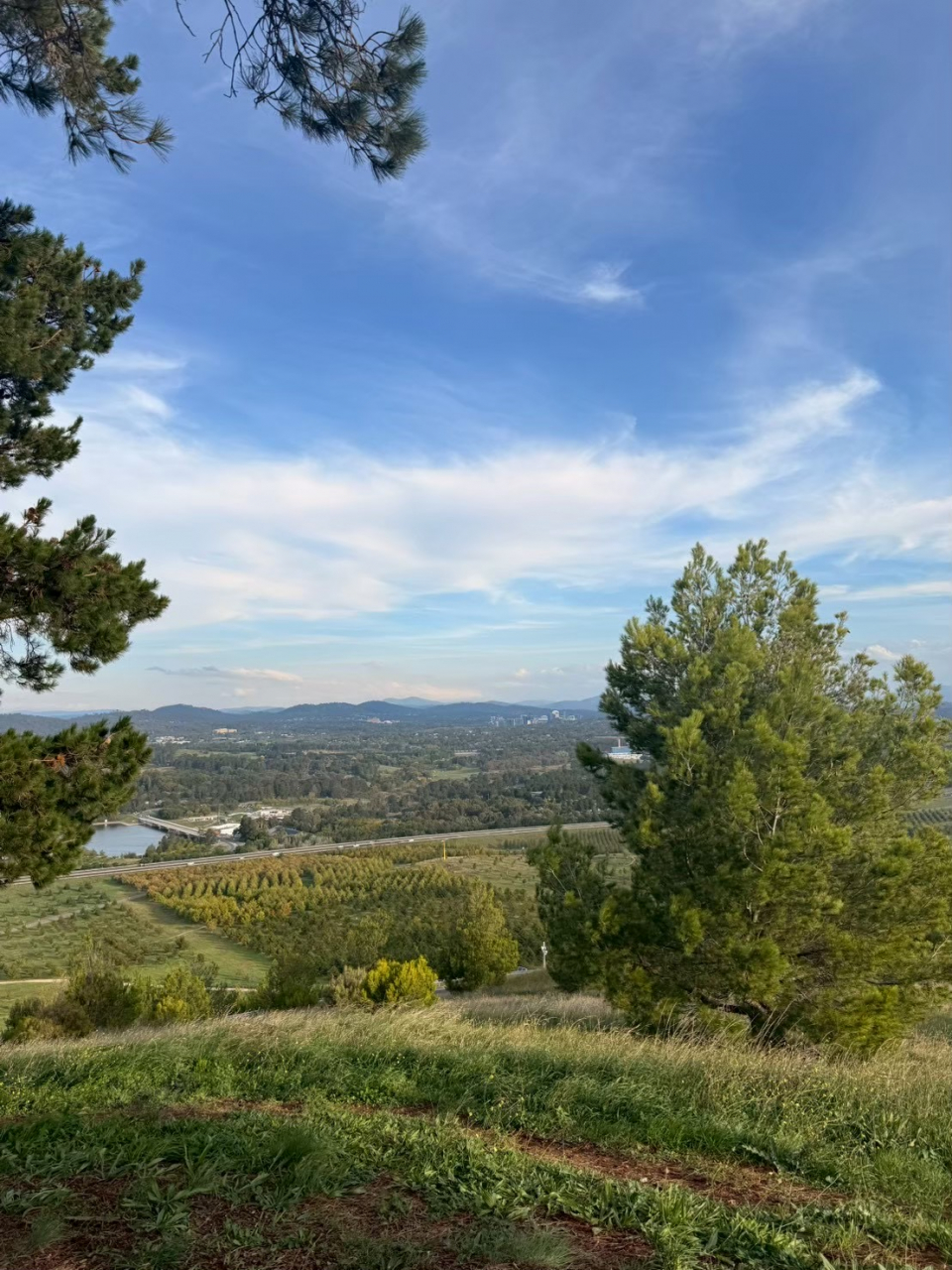
As the capital city, Canberra is the center of Australia's government and international institutions. However, it is a relatively small and peaceful city, and thus atypical of a national capital. Its population is only a quarter of that of Sapporo, and its vast size results in a low population density. Its position on the mountain-encircled Limestone Plain also means it is abundant in nature and wildlife. For this reason, Canberra is nicknamed the "Bush Capital" ('bush' being the Australian term for our native forests).
Like the rest of Australia, Canberra has a very rich history linked to its indigenous Aboriginal peoples. The Ngunnawal and Ngambri tribes have lived on the Limestone Plain for approximately 20,000 years. In the past, people from surrounding regions would also regularly gather in Canberra for meetings, making it an important place for the land's traditional custodians.
From a colonial perspective, Europeans first settled on the Limestone Plains in the 1820s, and for about a hundred years, Canberra was a farming region. However, with the Federation of Australia in 1901, Sydney and Melbourne ー Australia's oldest and largest cities ー clashed over which city should become the capital. To resolve the issue, they ultimately decided to establish a brand new city. After considering the temperate climate and its location between Melbourne and Sydney, the Limestone Plain was deemed the ideal location for the new capital. Following a global urban design competition, Canberra was founded in 1913. The name "Canberra" derives from a Ngunnawal word for "meeting place," thereby paying homage to the region's indigenous history.
Canberra is a very pleasant place to live. It's a little inconvenient without a car, but there aren't many crowds or traffic jams. There's an artificial lake in the middle of the city, and mountains and national parks on its borders. So, Canberrans love walking and hiking. And, as you would only expect of Australians, Canberrans love coffee, and the city has a thriving café culture. It is undoubtedly a place that anyone would find charming.
Like the rest of Australia, Canberra has a very rich history linked to its indigenous Aboriginal peoples. The Ngunnawal and Ngambri tribes have lived on the Limestone Plain for approximately 20,000 years. In the past, people from surrounding regions would also regularly gather in Canberra for meetings, making it an important place for the land's traditional custodians.
From a colonial perspective, Europeans first settled on the Limestone Plains in the 1820s, and for about a hundred years, Canberra was a farming region. However, with the Federation of Australia in 1901, Sydney and Melbourne ー Australia's oldest and largest cities ー clashed over which city should become the capital. To resolve the issue, they ultimately decided to establish a brand new city. After considering the temperate climate and its location between Melbourne and Sydney, the Limestone Plain was deemed the ideal location for the new capital. Following a global urban design competition, Canberra was founded in 1913. The name "Canberra" derives from a Ngunnawal word for "meeting place," thereby paying homage to the region's indigenous history.
Canberra is a very pleasant place to live. It's a little inconvenient without a car, but there aren't many crowds or traffic jams. There's an artificial lake in the middle of the city, and mountains and national parks on its borders. So, Canberrans love walking and hiking. And, as you would only expect of Australians, Canberrans love coffee, and the city has a thriving café culture. It is undoubtedly a place that anyone would find charming.
Photo
Inquiries
- Niseko Town Hall
- TEL:0136-44-2121
- FAX:0136-44-3500