Echinococcus Measures in Niseko Town
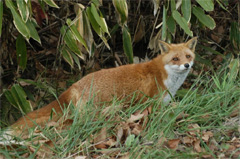
Echinococcus, a parasitic infection that can affect humans, was confirmed to have spread throughout Hokkaido in the 1980s. Recently, it has been reported that the infection rate among the primary host—foxes—is as high as 40%. Additionally, there are growing concerns about the potential for human infection through domestic dogs.
While the Ezo red fox is a beloved tourist attraction in Hokkaido, it is increasingly important for residents and visitors to approach this issue with accurate knowledge and proper preventive measures.
While the Ezo red fox is a beloved tourist attraction in Hokkaido, it is increasingly important for residents and visitors to approach this issue with accurate knowledge and proper preventive measures.
About Echinococcus
What is Echinococcus?
Echinococcus is a type of parasitic worm. There are two types of Echinococcus: unilocular and multilocular. The strain that is problematic in Hokkaido is the multilocular type.
Echinococcus has both adult and larval stages. The adult parasites primarily infect foxes (specifically, the Ezo red fox), while the larvae are typically found in wild rodents, such as Ezo Yachi Rats (a species of field mouse).
The adult parasite lays eggs, which are excreted in the fox's feces. If these eggs accidentally enter a human's mouth (for example, through contaminated wild plants, water, or hands), they hatch into larvae in the intestines, which then travel to the liver and cause Echinococcosis.
For more details on Echinococcus, please refer to the page by the Hokkaido Institute of Public Health.
Echinococcus has both adult and larval stages. The adult parasites primarily infect foxes (specifically, the Ezo red fox), while the larvae are typically found in wild rodents, such as Ezo Yachi Rats (a species of field mouse).
The adult parasite lays eggs, which are excreted in the fox's feces. If these eggs accidentally enter a human's mouth (for example, through contaminated wild plants, water, or hands), they hatch into larvae in the intestines, which then travel to the liver and cause Echinococcosis.
For more details on Echinococcus, please refer to the page by the Hokkaido Institute of Public Health.
The Parasitic Cycle of Echinococcus
In nature, Echinococcus primarily parasitizes foxes and wild rodents. The cycle works as follows:
- Adult Parasites live in the intestines of the fox and produce eggs, which are released in the fox's feces.
- Wild rodents, such as field mice, ingest these eggs along with vegetation, and the eggs hatch into larvae within their bodies, where they parasitize the liver.
- When a fox eats an infected rodent, the larvae develop into adult parasites within the fox's intestines.
Echinococcus and Humans
Humans can become infected with Echinococcus by consuming contaminated wild vegetables, herbs, or water, or by coming into contact with eggs on their hands or objects. Once the parasite enters the human body, the larvae can migrate to the liver and begin to parasitize it, much like in the wild rodents.
Important Note: Echinococcus cannot be transmitted from person to person or from wild rodents to humans.
Echinococcus eggs are microscopic (about 0.03 mm in diameter), and cannot be seen with the naked eye. However, infection can be prevented by washing hands thoroughly or cooking food properly before consumption.
Even after being infected, people may not notice symptoms for several years—usually between 5 to 15 years. Early symptoms may include discomfort or a feeling of fullness in the upper abdomen, followed by fatigue, jaundice, and liver dysfunction. If left untreated, the infection can spread to other organs like the lungs or brain, leading to life-threatening complications.
Important Note: Echinococcus cannot be transmitted from person to person or from wild rodents to humans.
Echinococcus eggs are microscopic (about 0.03 mm in diameter), and cannot be seen with the naked eye. However, infection can be prevented by washing hands thoroughly or cooking food properly before consumption.
Even after being infected, people may not notice symptoms for several years—usually between 5 to 15 years. Early symptoms may include discomfort or a feeling of fullness in the upper abdomen, followed by fatigue, jaundice, and liver dysfunction. If left untreated, the infection can spread to other organs like the lungs or brain, leading to life-threatening complications.
Prevention of Echinococcus
- Wash your hands thoroughly after coming from outdoors.
- Clean wild plants and berries properly before eating, or cook them to kill any potential parasites.
- Do not feed foxes or touch them, even though they might seem cute. This behavior brings foxes closer to human habitation.
- Properly manage food waste to avoid attracting foxes and other wildlife to your home.
- Let's properly store and dispose of household waste.
- Cover wells properly to prevent contamination by foxes or dogs' feces.
Special Care for Dog Owners
Dogs, like foxes, can become infected with Echinococcus by eating wild rodents that carry the adult parasite.
Therefore, dog owners must be cautious about how they care for their pets—especially by not allowing them to roam freely.
Echinococcosis is a preventable disease, and early detection and treatment are crucial.
If you’ve lived in Hokkaido for over 5 years and haven’t undergone a checkup, or if you haven’t had one for more than 5 years, consider getting a blood test through your local municipality. This is particularly important if you've had direct contact with foxes or if your dog has eaten wild rodents.
For information about Echinococcus screenings in Niseko Town, please contact the Health & Welfare Division, Health Promotion Section.
Therefore, dog owners must be cautious about how they care for their pets—especially by not allowing them to roam freely.
Echinococcosis is a preventable disease, and early detection and treatment are crucial.
If you’ve lived in Hokkaido for over 5 years and haven’t undergone a checkup, or if you haven’t had one for more than 5 years, consider getting a blood test through your local municipality. This is particularly important if you've had direct contact with foxes or if your dog has eaten wild rodents.
For information about Echinococcus screenings in Niseko Town, please contact the Health & Welfare Division, Health Promotion Section.
Niseko Town’s Echinococcus Control Measures
Fox Deworming Bait for Echinococcus Control
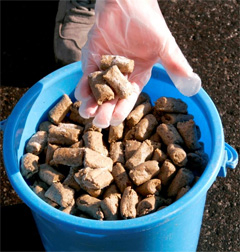
Echinococcus control in Niseko is conducted by spreading deworming bait along roadsides. The goal is to ensure that foxes, who have territories in the area, consume the bait.
By consuming the bait, Echinococcus parasites are expelled from the fox’s body. The fox does not die from the bait, but becomes healthier and is better able to protect its territory from other infected foxes.
The bait is a mixture of Praziquantel, an anthelmintic drug, and fish paste. The size of each bait is about the size of an eraser and has a fishy smell.
By consuming the bait, Echinococcus parasites are expelled from the fox’s body. The fox does not die from the bait, but becomes healthier and is better able to protect its territory from other infected foxes.
The bait is a mixture of Praziquantel, an anthelmintic drug, and fish paste. The size of each bait is about the size of an eraser and has a fishy smell.
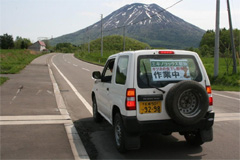
The bait is distributed by two people working in pairs, with the cooperation of the "Niseko Town Echinococcus Eradication Promotion Officers." The bait is distributed along roadsides at approximately 100m intervals, with a designated route to cover all Niseko Town. It is safe for dogs and humans to eat without affecting their health.
The bait is distributed about once a month from May to November, with a total of 7 rounds. Around 1,300 baits are spread each time.
In October, fox feces are collected from around the town (about 80 samples), and the reduction in Echinococcus infection is monitored and shared with the public.
The bait is distributed about once a month from May to November, with a total of 7 rounds. Around 1,300 baits are spread each time.
In October, fox feces are collected from around the town (about 80 samples), and the reduction in Echinococcus infection is monitored and shared with the public.
Echinococcus Infection Status in Niseko
To monitor Echinococcus infection, fox feces samples are collected and tested for Echinococcus antigens and eggs at specialized laboratories.
Niseko Town began its bait distribution and feces sampling in October 2009.
The results showed a significant reduction in infection rates compared to the tests conducted prior to the introduction of the bait program.
Niseko Town began its bait distribution and feces sampling in October 2009.
The results showed a significant reduction in infection rates compared to the tests conducted prior to the introduction of the bait program.
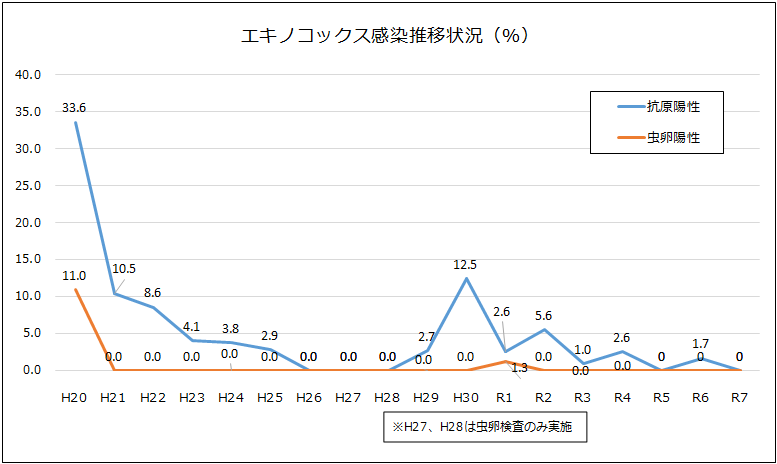
- Antigen-positive: Indicates the fox is infected with Echinococcus.
- Egg-positive: Indicates that Echinococcus eggs are present in the fox’s feces.
Echinococcosis Screening
Date of implementation: September 14th (Monday)
| Screening Details | Target Ages | Free of charge for those 70 years and older | Notes |
| Blood test | Elementary School 3rd Grade, Junior High School 2nd Grade | Free of charge | A regular check-up is recommended every 5 years. |
| General (3)」 | 200 yen (100 yen) |
Inquiries
- Health Promotion Section, Health & Welfare Division
- TEL:0136-56-8840
- FAX:0136-44-3500